Dedicated Cabling Bracing Local Experts
Explore full-service tree service solutions for a healthier landscape.
Comprehensive tree service solutions play a essential role in maintaining a well-kept landscape. Good tree care not only enhances aesthetic appeal but also contributes to environmental stability. Understanding the various services available can help property owners decide wisely. Nonetheless, many may fail to recognize the lasting benefits that professional tree care delivers. This article will examine important aspects of tree services and their impact on landscape health. The following information may shift how one looks at their outdoor space significantly.
Grasping the Value of Tree Care
Tree care is necessary for maintaining the health and longevity of trees, as it directly impacts the surrounding ecosystem and boosts property value. Proper tree care encompasses a range of practices, including trimming, watering, and checking for pests and diseases. Healthy trees help improve improved air quality, offer cooling, and support biodiversity by offering habitats for various species. Additionally, healthy trees can substantially raise property attractiveness, tempting potential buyers and increasing market value.
Neglecting tree care can lead to fragile trees, making them susceptible to disease and environmental pressures. This can cause hazardous conditions, such as falling branches or uprooted trees, threatening safety to people and property. Moreover, the visual appeal of landscapes fades when trees are not properly cared for. Ultimately, understanding the importance of tree care is essential to ensuring not only the life of the trees themselves but also the health of the broader environment.
Typical Tree Services and Their Advantages
Common tree services, such as pruning and trimming, play an vital role in maintaining the health and aesthetics of trees. Furthermore, tree removal may become essential for safety reasons or to halt disease spread. Knowing about these services can help property owners make smart choices for their landscapes.
Pruning and Trimming Methods
While maintaining the health and aesthetics of a landscape, pruning and trimming techniques play an essential role in tree care. These practices involve taking off particular branches to improve the tree's form, foster robust growth, and increase light penetration and air flow. Regular pruning helps prevent diseases and pest infestations by eliminating dead or diseased wood. Trimming, on the other hand, centers on sculpting the tree and keeping it to a manageable size, making sure it won't block pathways or structures. Successful pruning techniques can increase fruit production in fruit-bearing trees and improve bloom quality in ornamental varieties. Using these methods not only adds to the aesthetic appeal of the landscape but also maintains the lasting vitality of the trees within it.
Tree Removal Necessities

Removing a tree is often a necessary decision for those who own or manage property, especially when health, safety, or appearance is a concern. Trees that are compromised in structure, dead, or sick can pose significant risks, such as falling branches or complete collapse. In addition, overgrown trees may shade the area excessively or interfere with yard work. Expert tree removal companies ensure these trees are removed efficiently and safely, lessening the risk of act now accidents. Moreover, these services often provide stump extraction, which removes the danger of tripping and allows for future landscaping options. In the end, timely tree removal not only improves the general look of a property but also fosters a more robust environment by encouraging nearby vegetation to thrive.
The Importance of Trimming and Pruning Trees
Successful tree maintenance practices are vitally important in upholding the look and well-being of trees. This practice involves taking off particular branches to boost air flow, sunlight exposure, and overall tree structure. By removing unhealthy or dead branches, pruning helps prevent the spread of potential issues, keeping the tree vigorous and healthy.
Consistent trimming improves how the tree looks but also encourages new growth, shaping the canopy for ideal beauty. It is also crucial for security; uncontrolled branches might present risks to people and adjacent buildings.
Additionally, pruning done correctly can prolong the lifespan of a tree, allowing it to thrive where it is planted. Both homeowners and landscapers gain from knowing the significance of this practice, as it fosters a healthier landscape and contributes to the overall ecological balance of the area. To conclude, tree pruning and trimming are fundamental components of effective tree care.
Managing Pest Infestations and Diseases
Good tree stewardship demands understanding of frequent diseases and pests that pose a risk to tree vitality. Early detection of these problems is crucial for putting in place suitable prevention methods. We will examine techniques for spotting outbreaks and curbing disease transmission in trees.
Recognizing Typical Pests
To keep trees healthy, it is important to spot common pests that can lead to infestations and diseases. A variety of insects, such as spider mites, aphids, and bark beetles, are capable of substantial injury if ignored (Stillwater Tree Service). Symptoms of infestation often feature foliage losing its hue, drooping limbs, or insects seen on the trunk. Additionally, pests like the ash borer and gypsy moth are able to drastically reduce tree health and longevity. Mycelial diseases, frequently worsened by pest action, may manifest as strange formations or spots on leaves. Routine checks are crucial for detecting problems quickly, making swift intervention possible. By understanding these common pests, homeowners and landscapers are able to safeguard their trees more effectively and foster a generally healthier landscape
Strategies to Prevent Illness
To guarantee the health and longevity of trees, using proactive disease avoidance techniques is essential in addressing both pest infestations and disease management. Frequent examinations facilitate quickly spotting pests and illnesses, making interventions swift. Integrated Pest Management (IPM) techniques, such as fostering beneficial insects and utilizing non-chemical solutions, can effectively reduce pest populations while reducing the use of chemicals. Additionally, adhering to good tree maintenance routines—such as pruning, mulching, and proper watering—makes trees stronger, making them less susceptible to diseases. Teaching site managers about seasonal threats and environmental factors that contribute to tree health is vital. By fostering a proactive approach, neighborhoods can improve the sturdiness of their landscapes against pests and diseases, securing flourishing trees for the years to come.
Enhancing Landscape Aesthetics With Specialized Help
When property owners look to enhance the attractiveness of their outdoor spaces, professional tree services are essential in making the landscape more beautiful. Skilled arborists offer knowledge in tree trimming, pruning, and shaping, which not only encourage vigorous development but also enhance the look of trees. By eliminating dead or overly long branches, professionals can create a more symmetrical and beautiful environment.
In addition, tree specialists can assist in picking appropriate varieties and placement of trees to complement existing flora, creating synergy within the landscape. Regular tidying services also help create a refined aesthetic, removing debris and making features more noticeable of key elements.
Furthermore, properly cared-for trees can become points of interest, directing the eye toward gardens and outdoor living spaces. Through these thorough services, clients can attain a vibrant and inviting environment, mirroring their unique preferences while securing the durability of their landscape investments.
Choosing the Right Tree Service Provider for Your Needs
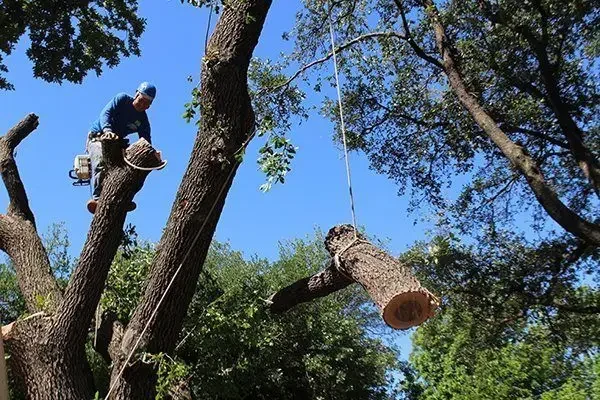
How can homeowners secure they pick the most suitable arborist for their specific needs? First, they should research local companies, focusing on their credentials, experience, and testimonials. A reputable provider typically possesses certifications and insurance, ensuring compliance with industry regulations and are insured against damage.
Next, homeowners should request quotes from several companies, comparing services offered and cost breakdowns. This allows them to find those who offer good returns without compromising quality. It’s also essential to inquire about the specific services available, such as pruning, removal, or disease management, to confirm alignment with unique property demands.
Lastly, having a face-to-face discussion with candidate services can show how they communicate and professionalism. By considering these factors, homeowners can confidently select a tree service provider that satisfies their needs and promotes a more robust outdoor space.
Questions and Answers
How often should trees be inspected for health issues?
It is recommended that trees are inspected at least annually for signs of disease. Routine checkups help identify problems early, ensuring timely intervention and boosting the tree's vitality, ultimately resulting in a more robust landscape.
What Is the Best Time for planting new trees?
The ideal period for tree planting is typically in the beginning of spring or the end of the year. At these times, temperatures are moderate, giving trees a chance to root before the intense summer warmth or the cold of winter.
Are tree service companies able to help with Stump Removal?
Yes, these companies can handle stump removal. They use specific machinery and techniques to effectively eliminate stumps, resulting in a tidier yard and avoiding future risks, pests, or diseases linked to rotting wood.
Do options exist for environmentally conscious Tree Care Options Available?
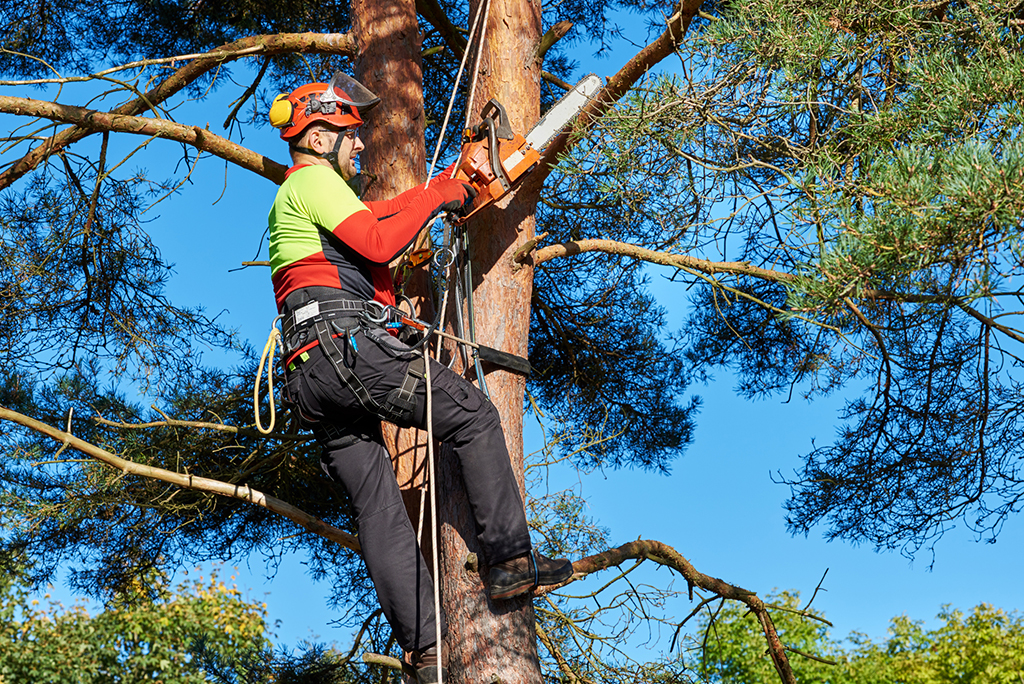
Environmentally conscious care choices include chemical-free nutrients, non-toxic insect solutions, and sustainable pruning practices. This approach improves tree well-being while reducing harm to the environment, leading to better natural systems and lower amounts of synthetic products in landscaping and tree maintenance.
What steps should I take to get My Trees for Winter?
To prepare trees for winter, one should prune dead branches, apply a layer of mulch at the base, ensure sufficient watering before freezing, and think about covering the main stems to protect against freezing air and bark burn, ensuring overall health and resilience. - Stillwater Tree Service